Digital Modeling Techniques Reshaping Prototype Development for Precision Tools in Tennis, Golf, and Football
Zara Russell · Oct 29, 2026
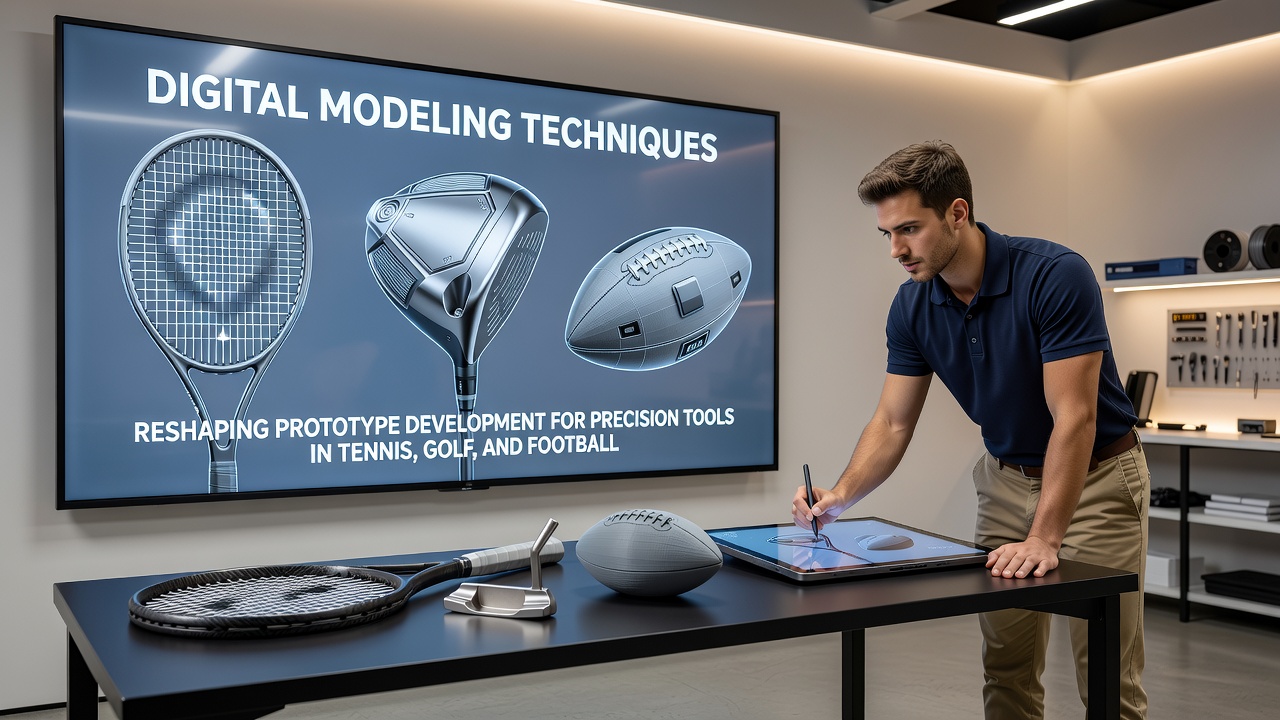
Digital Modeling Techniques Reshaping Prototype Development for Precision Tools in Tennis, Golf, and Football
Digital modeling techniques have transformed how manufacturers develop prototypes for precision tools across tennis, golf, and football, allowing engineers to test designs virtually before physical production begins. Software platforms such as finite element analysis and computational fluid dynamics enable detailed simulations of material stress, aerodynamics, and impact forces that occur during play. These methods reduce the number of physical iterations required, which shortens development cycles and lowers material waste in facilities worldwide.
Researchers at institutions in the United States and Europe have documented how these tools integrate data from motion capture systems with material property databases to predict performance outcomes. In tennis, for instance, frame flex patterns and string bed responses receive evaluation through layered mesh models that replicate real-world racket deformation under ball contact. Similar approaches apply to golf club heads, where weight distribution and face thickness variations undergo optimization to achieve consistent launch angles and spin rates.
Applications in Tennis Racket Prototyping
Manufacturers employ parametric modeling to adjust variables like beam width, throat stiffness, and grommet placement across multiple virtual versions in a single session. Data from high-speed camera tests feed back into the models, refining predictions of vibration damping and power transfer. According to findings from the National Institute of Standards and Technology, these digital workflows have accelerated the validation process for composite layups by integrating sensor feedback from early physical samples.
Observers note that string tension modeling now incorporates environmental factors such as temperature and humidity effects on synthetic materials, which helps teams prepare equipment specifications for different tournament conditions. This integration connects directly to production planning, where digital files transfer to automated cutting and molding equipment without intermediate reinterpretation steps.
Advances in Golf Club Development
Golf equipment producers apply topology optimization algorithms to redistribute mass within club heads while maintaining structural integrity under repeated impact. These techniques draw on large datasets collected from swing robots and player tracking systems, allowing precise calibration of center of gravity locations and moment of inertia values. European research consortia have published results showing how such simulations correlate with measured ball flight data across driver, iron, and wedge categories.
Design teams also model shaft bend profiles using beam theory extensions that account for anisotropic carbon fiber properties, which supports targeted adjustments during the prototype phase. In October 2026, several suppliers reported expanded use of cloud-based collaboration platforms that let distributed engineering groups review and modify models in real time, further compressing approval timelines.
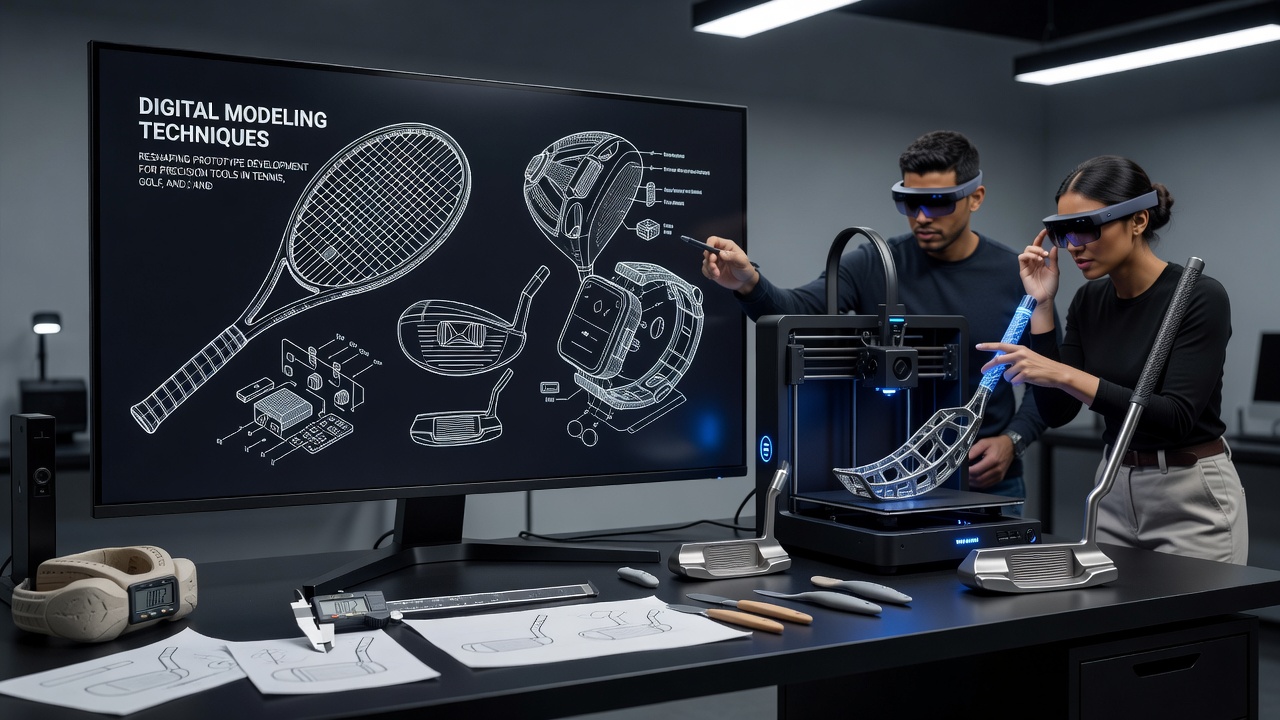
Precision Tools for Football Equipment
Football boot development benefits from digital modeling that evaluates stud placement, upper flexibility, and sole plate torsion under cutting and acceleration loads. Engineers combine biomechanical data from athlete movement studies with contact simulations to forecast traction and stability metrics before molds are created. Australian research groups have contributed comparative analyses that link virtual torque outputs to on-field performance measurements recorded during elite matches.
Ball construction prototypes undergo pressure distribution modeling and seam interaction analysis to refine rebound consistency and flight stability. These simulations incorporate air flow calculations that mirror wind tunnel results, enabling rapid iteration on panel shapes and surface textures. The same digital files support additive manufacturing trials for custom-fit components, which some teams have adopted for specialized player equipment.
Cross-Sport Integration of Simulation Data
Shared software environments now allow knowledge transfer between sports, where lessons from tennis racket vibration control inform golf shaft damping strategies and football boot cushioning designs. Material databases update continuously with new composite formulations tested under standardized protocols, providing consistent inputs for multi-sport projects. Industry reports indicate that adoption rates for these integrated platforms have risen steadily since the early 2020s, driven by compatibility improvements across major CAD packages.
Validation remains essential, and physical prototypes still undergo standardized impact and fatigue testing to confirm digital predictions. Regulatory bodies in multiple regions require documented correlation between simulation outputs and measured results before equipment receives certification for competitive use. This hybrid workflow balances computational efficiency with empirical verification across the development pipeline.
Conclusion
Digital modeling continues to streamline prototype development for precision tools in tennis, golf, and football by connecting design, simulation, and testing phases into cohesive processes. Data from ongoing studies and equipment certifications demonstrate measurable reductions in time and resources required to bring updated products to market. As modeling capabilities expand, manufacturers maintain focus on aligning virtual results with physical performance standards established by governing bodies in each sport.